
Comparative Insight: Choosing the Best Laser Cutter Fume Extractor for Your Workshop
Introduction: A Common Workshop Scene, Hard Numbers, and a Simple Question
I’ve stood in small shops where the smell of burned acrylic and the haze from cutting metal hangs in the air; it’s the kind of thing that makes you pull a chair back and think twice. In many of those shops, a laser cutter fume extractor is either missing or undersized, and studies show that poor ventilation can raise particulate levels by up to ten times normal indoor air—yep, real numbers. So I ask: how do we pick a system that actually cleans the air without breaking the budget or taking over the workspace? (Spoiler: it's not all about the biggest motor.)
Factories and hobbyists both face the same tight choices: filter type, capture efficiency, noise, and maintenance. I’ll walk you through the trade-offs in a clear way—no jargon-packed slog. Ready to dig into what truly matters? Let’s move on to the real problems beneath the surface.
Why Traditional Metal Cutting Fume Extraction Falls Short
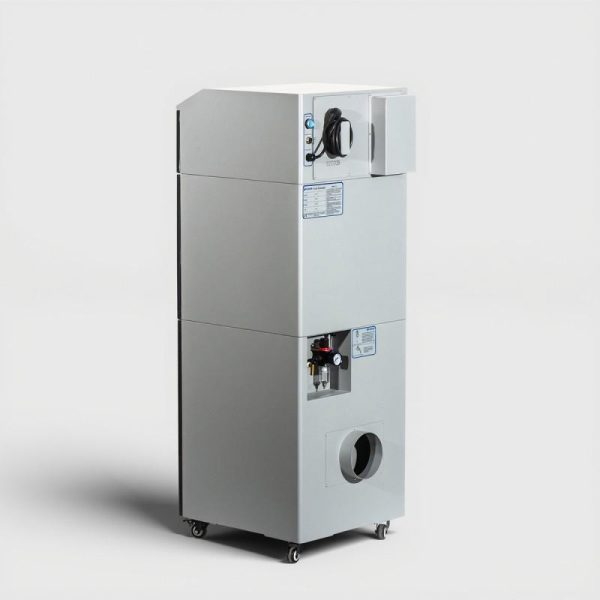
metal cutting fume extraction systems have been around for a while, but many older setups miss key points. First off, most systems rely on a single-stage filter or a weak capture arm. That means ultrafine particulate matter and volatile organic compounds can slip through. I see this in shops that think an inline fan alone will do the job—look, it’s simpler than you think, but also wrong if you care about worker health. HEPA filters, activated carbon beds, and proper airflow velocity matter; without them you get sound and dust, not clean air.
Second, maintenance is often an afterthought. Filters load up fast when cutting metals like stainless steel or coated sheets. If teams don’t track differential pressure or replace pre-filters on schedule, efficiency collapses. I’ve watched good machines perform poorly because of clogged pre-filters—funny how that works, right? Add in mismatched ducting and poor capture hood design, and you have high energy use, noisy fans, and lingering odors. The result is a system that looks complete on paper but fails in practice.
 So what’s the real failure mode?
Mostly, it boils down to three things: wrong filter stages, inadequate capture design, and lax upkeep. Those are the quiet killers of performance.
New Technology Principles and What to Look For Next
Looking forward, I focus on three tech principles that change how we evaluate metal cutting systems. First, multi-stage filtration tuned for both particulate and gases. Second, smart airflow control — sensors that modulate fan speed based on real-time particulate counts. Third, modular maintenance: quick-swap pre-filters and clear indicators so teams actually keep up with service. When these elements come together, metal cutting fume extraction stops being a maintenance headache and becomes a predictable safety measure.
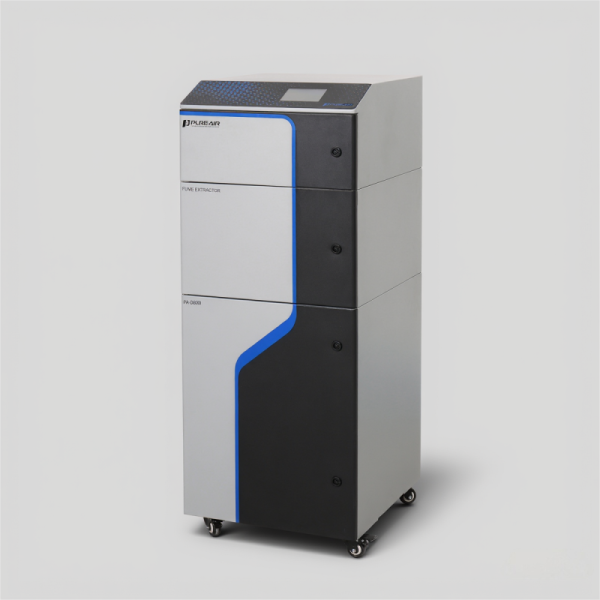
In practical terms, newer units use a combination of washable pre-filters, HEPA or ULPA stages, and activated carbon or catalytic modules for fumes. They also add simple displays or cloud telemetry so managers can see when filters need attention. I like systems that give clear, human signals — not cryptic error codes. This reduces downtime and keeps the air clean. It also lowers long-term costs, because you avoid over-servicing or under-servicing the unit.
What’s Next for Workshops?
In short: smarter systems and clearer metrics. If you’re comparing models, I advise you to test them under real loads—cut the same material, run the same job, and measure. Trust me, bench data is different from shop reality.
Practical Takeaways and How to Choose
I’ll finish with three practical evaluation metrics you can use right away. First: capture efficiency at the source — does the hood or arm pull fumes before they escape? Second: filtration stages — does it combine pre-filters, HEPA/ULPA, and adsorption media for gases? Third: maintainability and monitoring — are filter changes easy and are there clear indicators or sensors? Use these metrics to compare units side by side; they tell you more than fan size or horsepower alone. Also consider noise, footprint, and replacement filter cost—those bite into day-to-day usability.
Weighing these factors, you’ll see why some systems that look cheaper upfront cost more over time. I’ve chosen systems for shops where small upfront price differences saved thousands later in filter and labor costs—so do the math before you buy. For reliable solutions and clear product info, check brands that back their specs with test data. For instance, PURE-AIR offers documented systems and service paths that make the choice easier: PURE-AIR.
You might also like
 Real Estate
Guided Real Estate Insights: Navigating Local Markets, Mortgages, and Smart Property Decisions
 Ecommerce
Arena Online yang Mengedepankan Akses & Memprioritaskan Anggota: Strategi Ecommerce yang Mengutamakan Pengalaman
 Other
Other