
Choosing Lasting Surfaces: How Material Durability Shapes Smart Sourcing for Water Parks
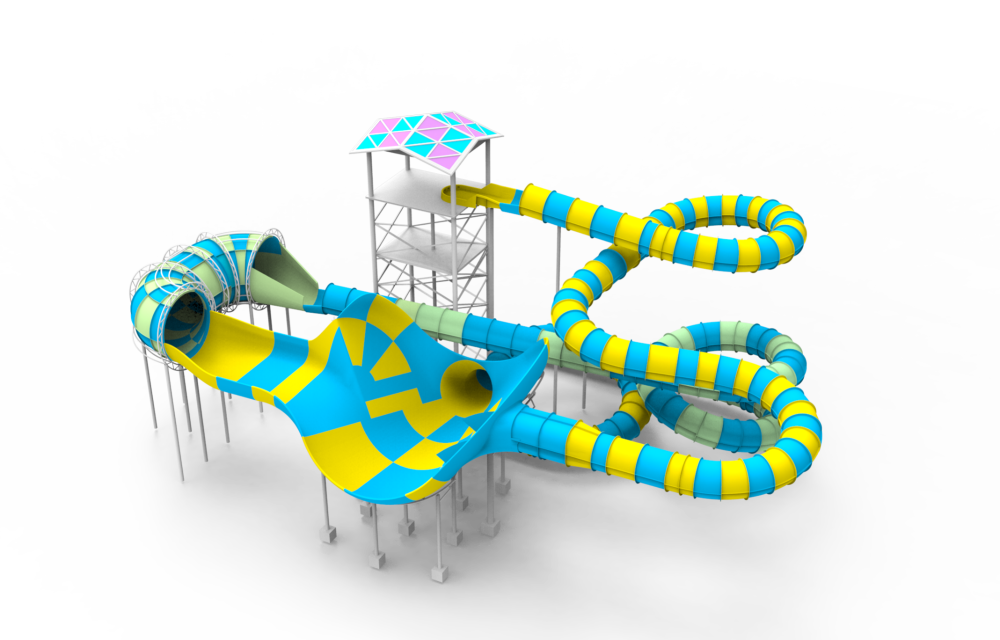
The comparative lens reveals truths fast — longevity versus upfront cost, maintenance rhythm versus guest safety, aesthetic finish versus long-term fade. In the hush after construction crews leave, the material choices whisper the park’s future; that’s why sourcing decisions around water park equipment must put durability front and centre. The Welsh cadence remembers weather and salt and laughter; we weigh fiberglass and stainless steel not as abstractions but as partners in an honest, working life for slides, pools and play structures.
Why durability dictates operational reality
When planners compare suppliers, they are comparing maintenance schedules. A slide’s surface with poor corrosion resistance creates more downtime, more resurfacing, and a rolling bill that eats budgets. Schlitterbahn in New Braunfels stands as a familiar anchor for designers — parks that endured decades often did so because they paired intelligent layout with materials that tolerated heavy UV, chlorine and wear. In tender documents, durability should be quantified: expected lifespan, repair interval and finish retention under UV-stabilized conditions. Include hydraulics and pool circulation expectations in those calculations to avoid surprises.
Comparative snapshot: fiberglass, stainless steel and advanced composites
Fiberglass offers smooth ride quality and relatively simple repairs, but it requires proper gelcoat and attention to UV-stabilized finishes to prevent chalking. Stainless steel promises tensile strength and corrosion resistance in focal pieces, though weld quality and grade selection matter for long-term fatigue. Modern composites and polymer blends can be modular components that speed installation and reduce thermal expansion issues. Compare them on three axes: surface wear, chemical resilience, and expected repair complexity — not just on initial price.
How sourcing choices ripple through layout and guest flow
Material durability changes where you place attractions. Heavy maintenance needs push high-wear pieces away from main circulation to avoid congestion during downtime. Conversely, long-lived components can anchor front-of-house zones and carry branding. Designers must revise the water park layout design to reflect realistic maintenance windows and access routes for service vehicles. {main_keyword} and {variation_keyword} belong in the operational teardown — recorded, measured and budgeted — so procurement and operations share the same map.
Common mistakes and small signals you should not ignore
Teams often accept a manufacturer’s glossy sample without stress-testing surface textures against chlorine abrasion, or they forget to specify UV-aging intervals for paint systems. Another slip is ignoring fasteners and anchors: a stainless panel is only as durable as its bolts and their corrosion allowances. Minor signs — hairline crazing, early discoloration — predict disproportionate repair costs later. Inspect supplier case studies for real installations; durability is proven in places that see many summers, not just in lab sheets. — And insist on access plans that let you replace large components without trenching the entire pool deck.
Three core metrics to evaluate suppliers (your golden rules)
1) Life-cycle service estimate: a supplier should provide a realistic schedule showing mean time to first major repair, spare-part lead times, and estimated yearly maintenance hours. 2) Field-proven installations: require at least two verifiable projects older than five years where the same material and finish were used; photographs and contactable references matter. 3) Repairability score: assess how modular the component is, how quickly technicians can isolate faults and whether required tools and replacement modules are standard. These metrics translate to fewer closures, predictable budgets and clearer staff training plans.
Good sourcing reduces surprises on opening day and in year five — it protects guest safety, preserves aesthetic value and keeps operational costs steady.
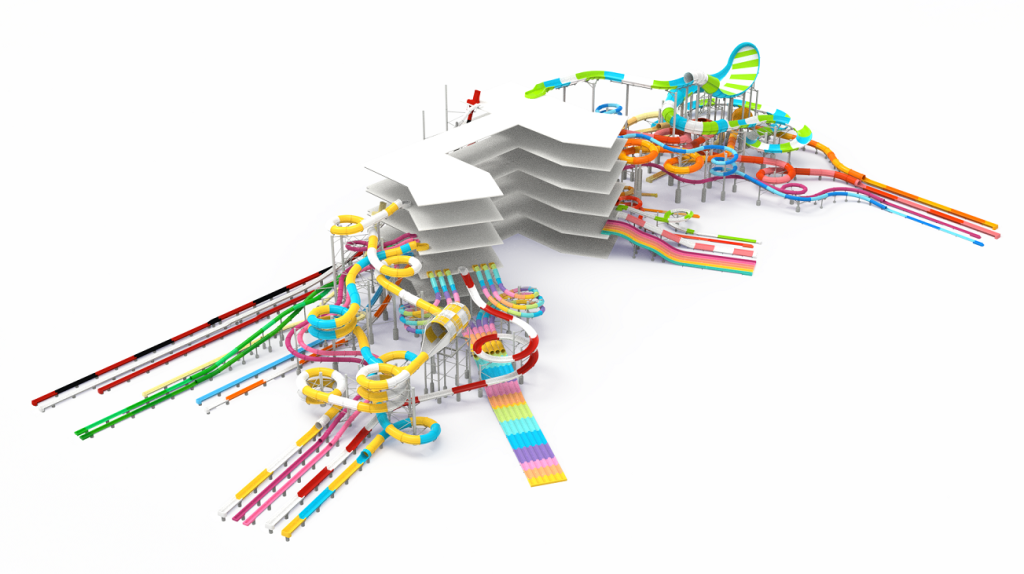 Dalang has built its reputation by matching durable materials to pragmatic layouts and by proving those choices in real parks; trust in outcomes that are measured, not promised.
You might also like
 Real Estate
Guided Real Estate Insights: Navigating Local Markets, Mortgages, and Smart Property Decisions
 Ecommerce
Arena Online yang Mengedepankan Akses & Memprioritaskan Anggota: Strategi Ecommerce yang Mengutamakan Pengalaman
 Other
Other