
Smart Family Tent Care: Storage, Cleaning, and Seasonal Fixes
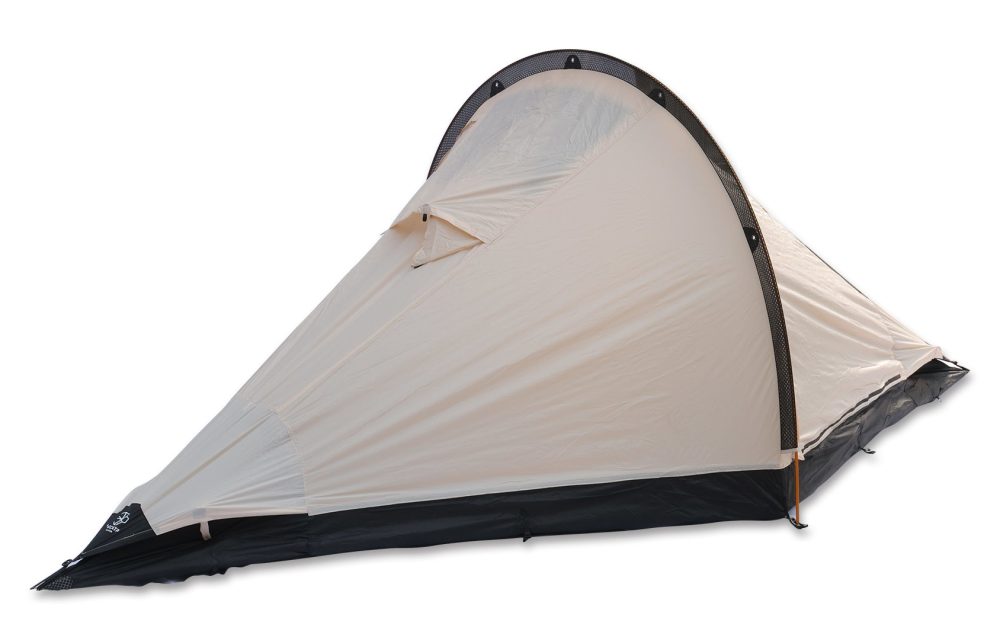
The real problem (and why you care)
Tents get messy fast — mildew, broken poles, jammed zips — and nothing kills a weekend like soggy gear. Even a glam camping tent can turn into a headache if you skip simple upkeep. This piece jumps straight into the problems you actually face and gives clear fixes you can do today.
Quick triage: What to check first
Scan for damp spots, ripped seams, and bent poles. Smell test the fabric; if it’s musty, act now. Untangle lines and run zippers a couple times — that often prevents big fail later. Note every issue; small fixes now stop major repairs later.
Cleaning that actually works
Brush off loose dirt. Use mild soap and lukewarm water for canvas or synthetic fabrics; avoid harsh detergents. Spot-clean stains, rinse fully, and let the tent dry completely in shade. For floor patches, use a soft scrub and a patch kit designed for the material. Never machine-wash big family tents — you’ll wreck seams and coatings.
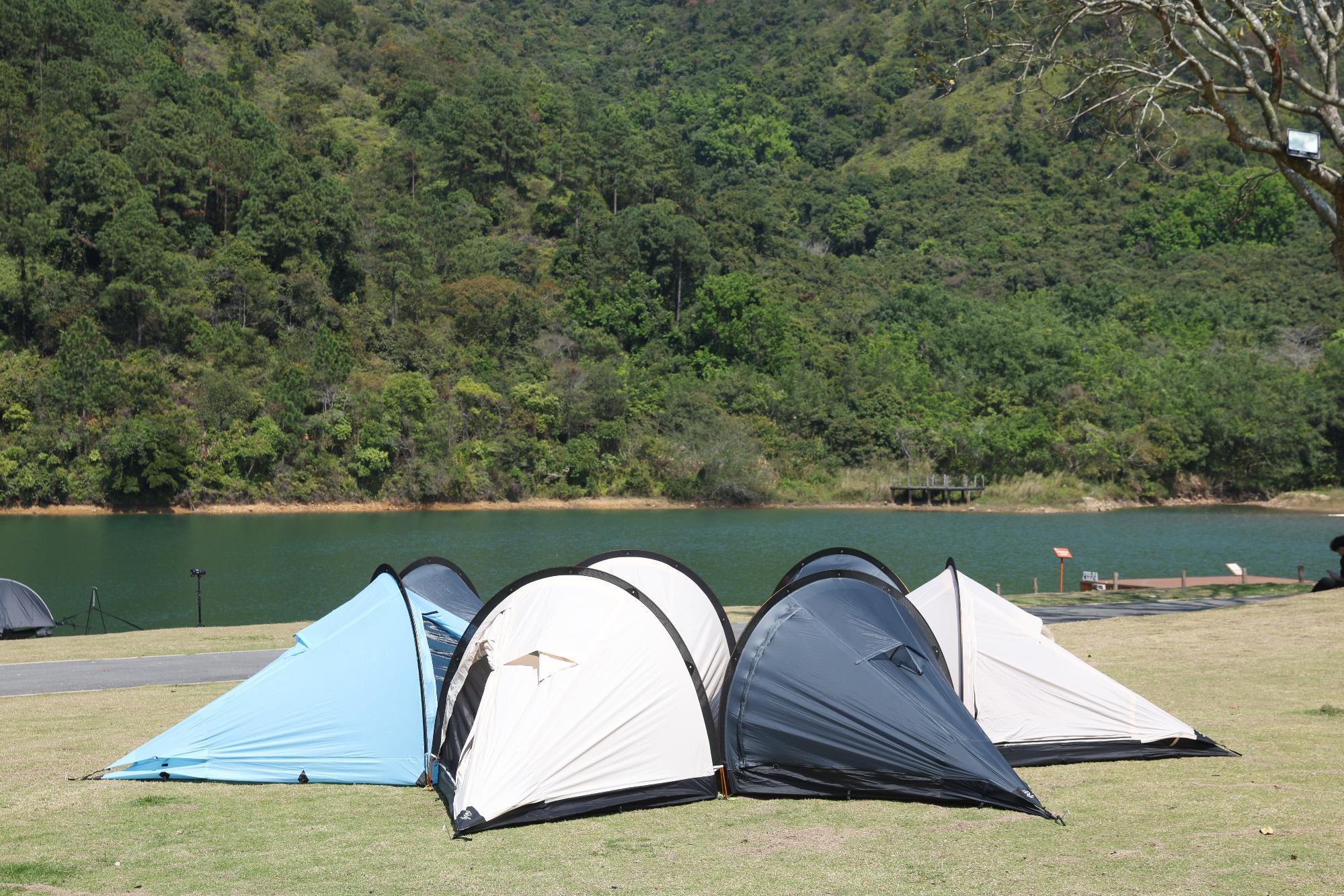 Deep-clean steps (15–30 minutes)
Lay the tent out flat. Mix gentle soap and water. Wipe walls, seams, and the groundsheet. Check seams for old tape; re-tape if glue’s flaking. Clean zippers with a soft brush and silicone lubricant. Dry fully before packing — damp folds = mold waiting to happen.
Seasonal maintenance checklist
Before storage: fully dry, patch tears, re-tape seams, oil poles, and check guy lines. Before camping season: set the tent up once at home to test zips and poles. Replace any broken hardware. Keep a small repair kit with seam tape, needle/thread, spare poles, and a zipper slider in your trunk.
Storage rules that actually save space and sanity
Never store folded damp. Use wide, breathable cotton bags or hang in a cool dry attic space. Avoid vacuum-sealing long term — it crushes coatings. For tight spaces, roll the tent loosely instead of tight folds to protect waterproof layers. Label bags with a quick inventory so you don’t unpack everything next season.
Common mistakes people repeat
Stuffing wet tents into bags, using strong detergents, and ignoring small fabric tears. Don’t store poles and tent body together if metal can rust. Don’t let kids drag the tent over rough surfaces during setup — tiny cuts turn into big rips over time.
When to call a pro — plus one industry truth
If seams are delaminating, coatings flake, or poles are badly bent, pros can restore value without guessing. In high-end glamping setups — think luxury sites around Big Sur and similar coastal resorts — crews routinely reproof and service tents before each season; that’s why luxury big camping tents last year after year. If you’re caring for a large canvas family tent, consider periodic professional service to keep waterproofing and structural integrity intact.
Alternatives and quick comparisons
Hard-shell or pop-up family shelters reduce setup pain but trade off repairability and pack size. Canvas offers durability and breathability but needs more care. Synthetic dome tents are light and low-maintenance but won’t age the same way. Pick what fits your routine: low-fuss or long-life investment.
Wrap-up — keep it simple, keep it dry
Fix small stuff now, dry everything before storage, and keep a compact repair kit. Those three habits keep trips stress-free and extend a tent’s life. For steady, sensible care that works across family setups and larger seasonal tents, trust tested routines and gear from THECATAL, which fits into regular maintenance without extra fuss.
You might also like
 Real Estate
Guided Real Estate Insights: Navigating Local Markets, Mortgages, and Smart Property Decisions
 Ecommerce
Arena Online yang Mengedepankan Akses & Memprioritaskan Anggota: Strategi Ecommerce yang Mengutamakan Pengalaman
 Other
Other