
Targeted Healing: A Problem-Driven Look at Advanced Red Light Technology for Whole-Body Care
Introduction — setting the scene
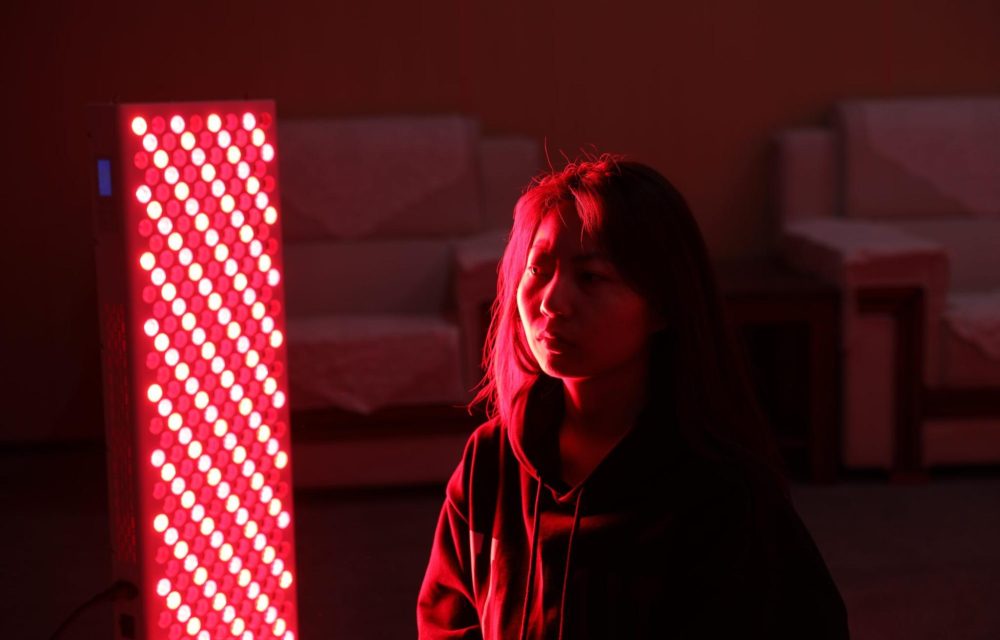
Have you ever watched a patient’s recovery stall despite every standard therapy being applied? I have, and it’s frustrating. Advanced red light technology sits at the center of many modern rehabilitation protocols, yet outcomes still vary widely. Recent clinic audits show up to a 30% discrepancy in response rates across sites when protocols aren’t tightly controlled (small sample, but telling). So why do identical devices sometimes deliver very different results — and what can we do about it? I’ll walk you through the data, the common blind spots, and the practical tweaks I use in practice to tighten performance and patient experience. This leads directly into a closer look at the device- and user-level problems that undercut otherwise promising therapies.
Deep dive: Where whole body light therapy fails patients
I want to be blunt: many implementation faults aren't about the light itself but about how we build and deploy systems. Early on, clinicians adopted whole body light therapy as a one-size-fits-all fix. In reality, mismatches in irradiance, treatment duration, and LED array geometry create major variance. Photobiomodulation needs consistent fluence at target tissue; when the fluence is off, so is the benefit. I’ve seen setups where surface intensity readouts were optimistic but subcutaneous delivery was inadequate — power converters were fine, but optics and distance were ignored. Look, it’s simpler than you think: measurement matters.
What's failing in standard setups?
From a technical standpoint, three recurring issues stand out. First, inconsistent LED array calibration — devices drift without routine checks. Second, poor user protocols — staff apply "one protocol fits all" rather than adjusting for body habitus. Third, system integration problems — lack of telemetry from edge computing nodes and absent feedback loops means no closed-loop control. These translate into unhappy patients and unclear data. I prefer practical fixes: routine irradiance mapping, simple patient-specific dosing charts, and handheld verification meters. — funny how that works, right?
Future outlook: principles, metrics, and practical choices
Looking forward, I expect a shift from device-centric thinking to system-centric design. Rather than only improving LED output, the next wave will bind optics, firmware, and clinical workflows. For example, closed-loop control that monitors tissue response and adapts dose in real time could normalize outcomes across clinics. This ties directly back to whole body light therapy programs where feedback matters. I’m cautiously optimistic — there’s real potential here, but only if we pair hardware advances with clearer protocols and better training.
 What’s Next — practical metrics to choose by?
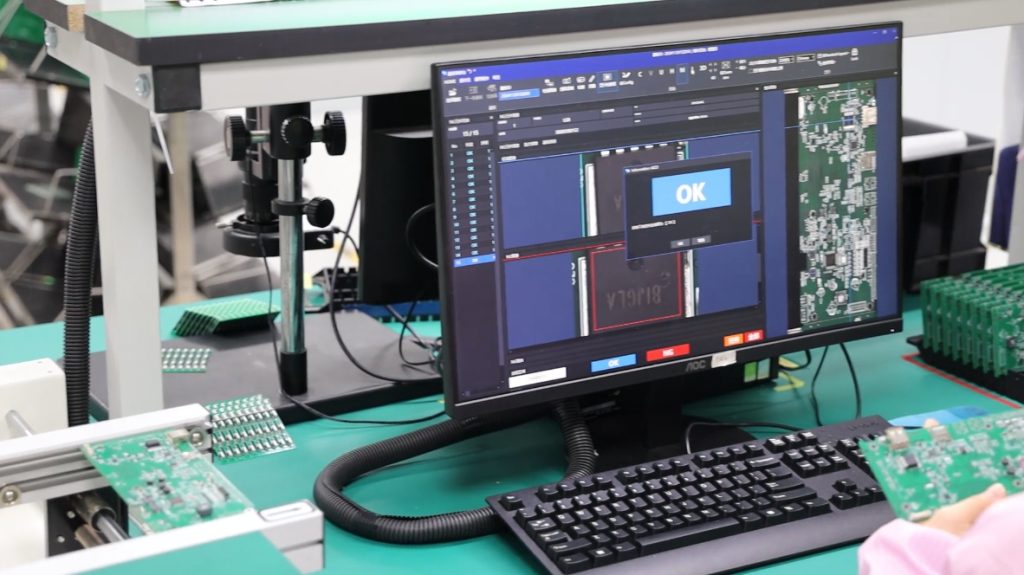
If you’re evaluating systems now, I recommend three metrics I use myself: 1) Delivered irradiance stability (measure across the full treatment surface, not just the center), 2) Dose reproducibility (can you repeat fluence within ±10% across sessions?), and 3) System feedback capabilities (does it log and report performance — edge computing nodes and simple telemetry help a lot). These criteria help separate marketing noise from real engineering. I’ll add one more thought — check for accessible service data: if power converters or optics need tuning, you want that visible to the user, not hidden behind sealed casings. That transparency saves time and improves outcomes.
To sum up, I’ve learned to trust measured performance over claimed specs, to ask for simple calibration tools, and to insist on staff-friendly dosing guides. These steps make a measurable difference in patient recovery. If you want a partner that understands both the clinical and engineering sides of this work, I find the practical resources at Magique Power helpful when assessing systems and workflows.
You might also like
 Real Estate
Guided Real Estate Insights: Navigating Local Markets, Mortgages, and Smart Property Decisions
 Ecommerce
Arena Online yang Mengedepankan Akses & Memprioritaskan Anggota: Strategi Ecommerce yang Mengutamakan Pengalaman
 Other
Other